

Chemical Soil Treatments Melbourne
Effective chemical soil treatment solutions for your Melbourne property. Our specialized team uses advanced chemical treatments to protect your home or business from termite infestations.
Claim Your Free Termite Quote
What Is a Termite Barrier Treatment?
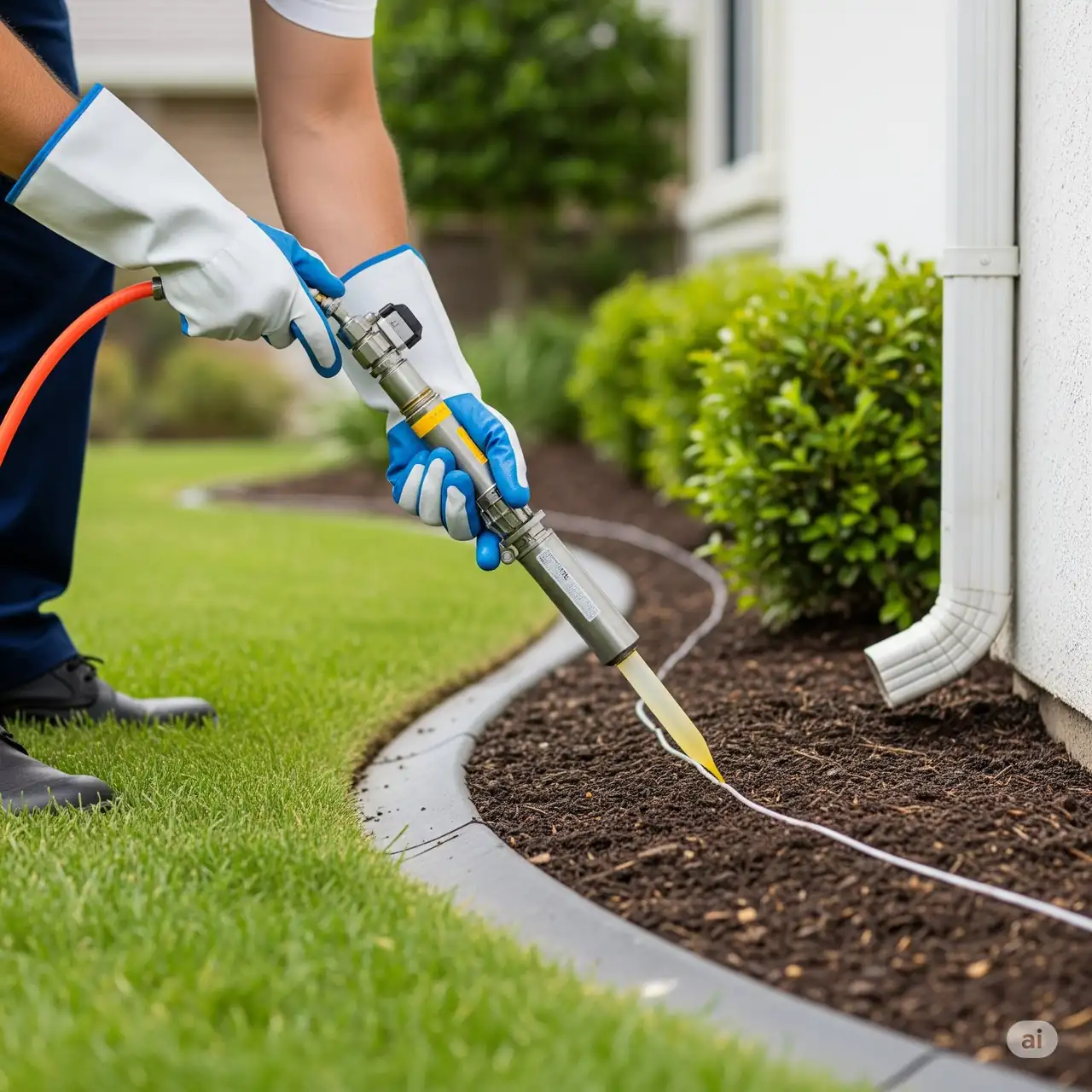
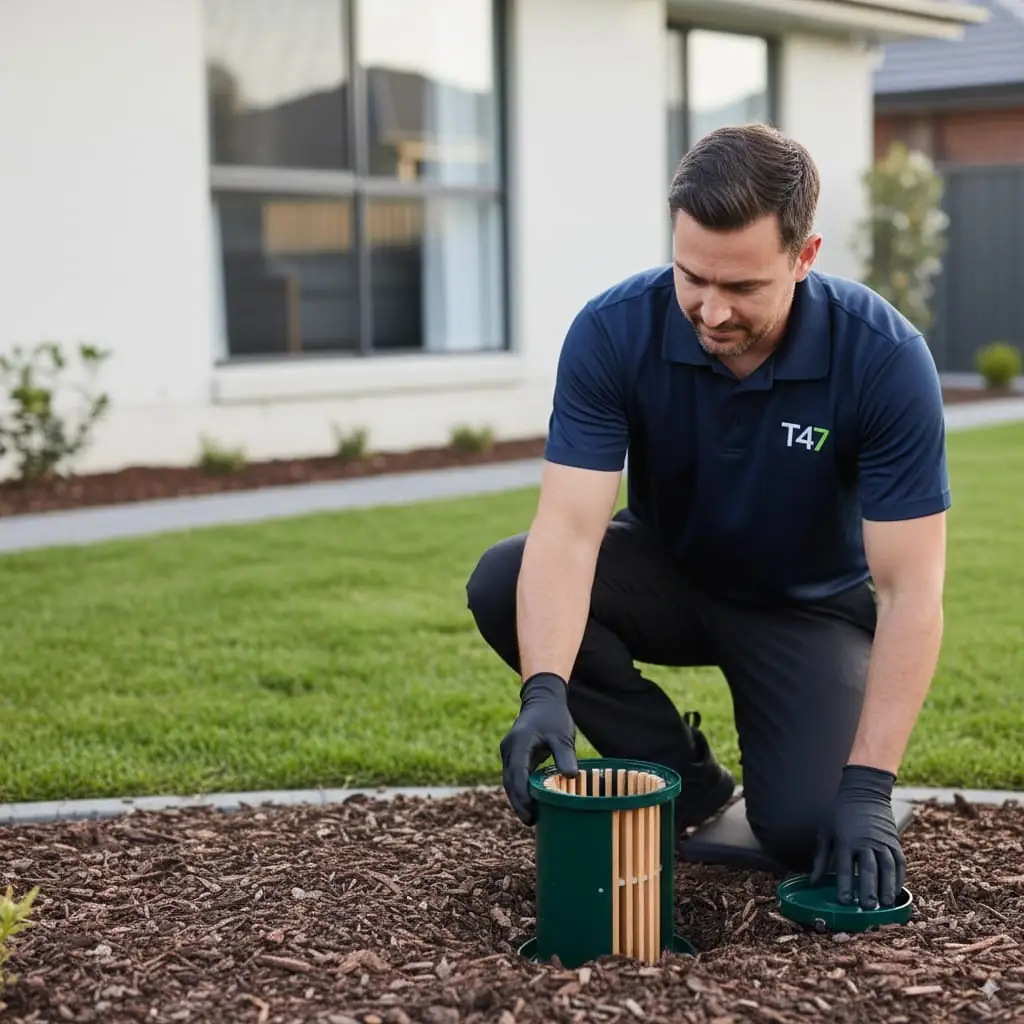
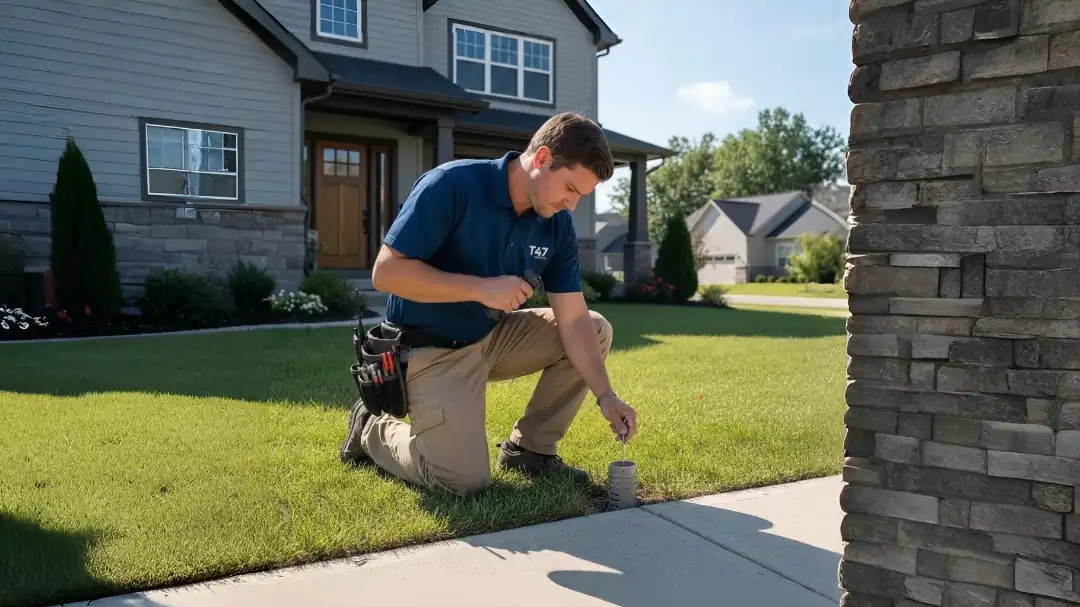
A termite barrier treatment involves applying a liquid termiticide to the soil under and around your home. The goal is to create a continuous treated zone that blocks hidden termite access points (especially around concrete slabs, stumps, strip footings, and subfloor areas).
These treatments don't kill colonies outright. Instead, they act as a defensive perimeter or force termites to reveal themselves during inspections.
A properly installed termite barrier can save homeowners from the cost of termite damage repairs that can be in the tens of thousands of dollars.
How Does a Termite Chemical Barrier Work?
Liquid termiticides are applied into the soil using high volumes to saturate the treatment zone. Once in place, the treated soil forms an invisible shield between the building and the surrounding ground.
If termites try to move through this zone, one of two things happens, depending on the type of product used:
Repellent Barriers
Termites detect the chemical and turn away, preventing entry into the protected zone.
Non-Repellent Barriers
Termites can't detect the chemical. They enter the zone and transfer the product to other termites, spreading the knock down effect.
Important: For the barrier to work effectively, the treated zone must be unbroken and integrated with the structure. Even a small gap (such as a crack in concrete) can allow termites to bypass protection.
How Long Does a Termite Barrier Last?
The longevity of a termite barrier treatment depends on the product type and site conditions:
| Type | Example Product | Expected Lifespan | Notes |
|---|---|---|---|
| Repellant | Biflex (Bifenthrin) | Up to 10 years | Longest-lasting, excellent soil binding. |
| Non-repellant | Termidor (Fipronil) | 5-8 years | Strong soil adherence and transfer effect. |
| Non-repellant | Altriset (Chlorantraniliprole) | Up to 8 years | Low toxicity, ideal for sensitive sites. |
Even with long-lasting products, annual termite inspections are crucial to ensure no "bridging" or gaps have developed that might allow termite access.
Termite Barrier Re-Application and Maintenance
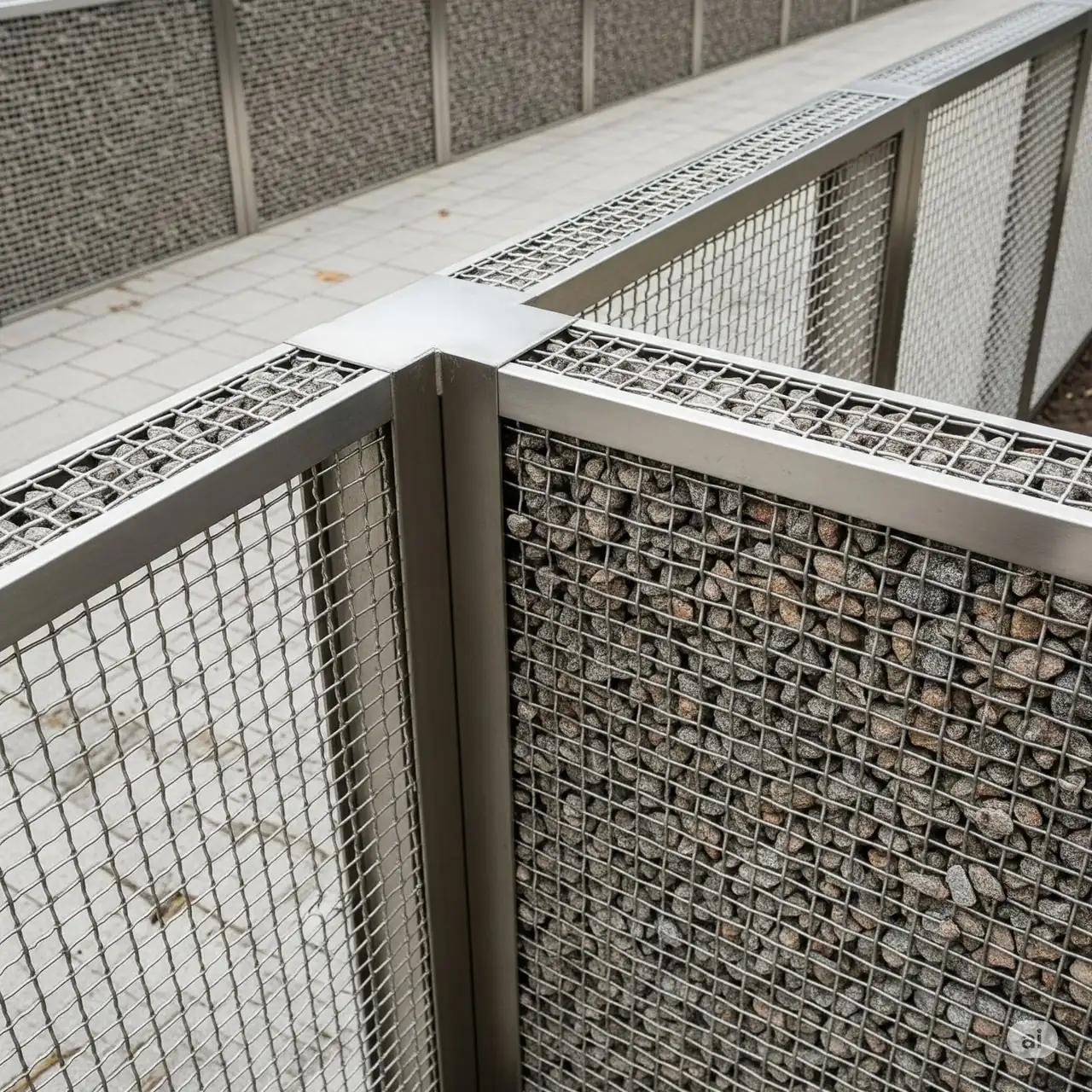
All chemical termite barriers will eventually deteriorate and lose their potency over time and they will usually have to be reapplied, or "re-treated".
The price of a termite barrier refill can vary based on the length of the original treated zone, the product used and the degree of environmental exposure (heavy rain, poor drainage, soil movement, etc).
Barrier re-treatments are generally required every 5 to 8 years, subject to site conditions and the termiticide manufacturer's recommendations.
Regular Inspections
Annual inspections ensure your barrier remains effective and identify any gaps or bridging.
Professional Reapplication
Expert reapplication ensures continuous protection and extends the life of your barrier system.
Significant Changes to Liquid (Soil-Applied) Termiticides
We do not use solvent-based, odorous termiticides, as we consider them unacceptable for both our clients and ourselves. This leaves us with water-based, odourless materials, which can be divided into two categories based on our chemical information fact sheet: REPELLENT and NON-REPELLENT termiticides.
REPELLENTS
These are traditional termiticides that include a wide range of pyrethroids, which are synthetic versions of the low-toxicity extract from the chrysanthemum daisy known as "Pyrethrum." The most common pyrethroid termiticide today is BIFENTHRIN, the active ingredient in the brand "Biflex." These chemicals are strongly repellent to termites but virtually odourless to humans.
NON-REPELLANT
These newer termiticides go undetected by termites, allowing them to travel through the treated zone and become contaminated. They continue moving for a while, spreading contamination to other termites through a process known as trophallaxis.
'MAGIC', NON-REPELLENTS
Marketing materials often suggest that these new non-repellent termiticides can indirectly eliminate a termite colony located away from the building, such as in a garden tree. The implication is that the trophallaxis effect is so powerful it will kill the entire infesting colony in its nest, even if the treatment does not form a continuous barrier.
However, this notion is overly convenient and does not reflect our experience at STC. We routinely find that termite nests in nearby trees remain unaffected by non-repellent termiticide treatments applied to infested buildings. While we acknowledge that these new termiticides are highly effective, they are not a magic solution.
Termite chemical soil treatments must be continuous; leaving gaps is akin to leaving a gate open in a paddock.
Our Termite Chemical Soil Treatment Options
Which Is Best For Chemical Termite Prevention?
REPELLENTS
- Biflex is known for being the longest-lasting termite repellent, with a label indicating it can provide protection for up to 10 years. It is highly effective for safeguarding new and existing buildings that are not currently under termite attack.
NON-REPELLENTS
- Altriset (Chlorantraniliprole): A highly effective chemical treatment with a strong trophallaxis effect. Ideal for aggressive infestations where low toxicity is important — non-toxic and not listed on the poison schedule. Offers up to 8 years of protection.
- Termidor (Fipronil): Very popular and highly effective, particularly for aggressive termite attacks. Has excellent trophallaxis and soil-binding properties, making it suitable for areas with moisture movement in the soil.
- Premise (Imidacloprid): Another effective non-repellent insecticide with strong trophallaxis properties. Water-soluble and less durable in wet soils, but penetrates the soil more effectively.
What Termite Soil Treatment Works for You?
Your decision is likely to come down to a balance between longevity, toxicity, and cost.
From our experience, the options can be summarised as follows:
Lowest toxicity for severe infestations – Altriset
Extremely powerful, higher toxicity with excellent soil binding – Termidor
Longest lasting, tried and tested over many years – Biflex
Australia has one of the most stringent regulatory systems for the pest control industry in the world. All the termiticides recommended for treating your building have been rigorously evaluated and approved by both national and state government authorities. Our company will apply these approved termiticides in full compliance with government regulations.
Why Choose Melbourne Termite Control for Barrier Treatments in Melbourne?
Melbourne Termite Control has over 20 years of experience in termite control. We are fully licensed and our services are compliant with Australian pest management regulations. All our work is carried out using approved, water-based, low-odour materials.
We give honest, professional and open advice, and never install partial barriers that cannot give complete protection. We also offer follow-up inspections and maintenance services to give you ongoing long-term protection.
Call us on 04 3430 0216 or book an inspection online if you think your home may need a termite barrier treatment.
What Melbourne Homeowners Are Saying
With over 1,800 verified Google reviews and a perfect 5.0 rating, Melbourne Termite Control is one of the most trusted termite specialists in Victoria. Here's what some of our customers have to say.

Contacted Melbourne Termite Control for a termite issue and from the first contact through to completion of the work they are one of the most professional companies I have dealt with. Very happy with the outcome and highly recommend them.
Excellent service from the Melbourne Termite Control team especially Peter and Troy and the in office staff. We have been with the company for over 5 years and they always deliver outstanding results. Highly recommended.
I have been a MTC customer for many years. Having rid the house of the buggers annual inspections are all I have since required. Tom has always been right on time, thorough and professional. Great peace of mind.
Contacted Melbourne Termite Control for a termite issue and from the first contact through to completion of the work they are one of the most professional companies I have dealt with. Very happy with the outcome and highly recommend them.
Book Your Service Now
Tell us what you need and we'll call you back to confirm a time. No obligation.
Expert Insights
Chemical Treatment & Barrier Articles
Practical termite advice from Melbourne's licensed specialists.



Don't Wait — Act Today
Melbourne homes face one of Australia's highest termite risks — and the structural damage they cause is not covered by home insurance. Whether you have spotted a warning sign or simply want peace of mind, our licensed Melbourne termite specialists are ready to help. Book a same-day or next-day inspection and receive a written report with clear options — no pressure, no jargon, no surprises.
Available Monday – Saturday: 7:00 AM – 7:00 PM | Emergency inspections available on Sundays
Frequently Asked Questions About Termite Control in Melbourne
How much does a termite inspection cost?
A professional termite inspection in Melbourne typically costs between $280 and $500 depending on your property size, age, and accessibility. Given that termite damage can cost $10,000 or more to repair — and is not covered by home insurance — a termite inspection is one of the smartest and most affordable investments a Melbourne homeowner can make.
How long does a termite pest inspection take?
Most residential termite inspections take between 1.5 and 3 hours. Larger properties, multi-storey homes, or those with limited subfloor or roof void access may take slightly longer to ensure a thorough and accurate assessment of all areas.
Is a termite inspection really necessary?
Absolutely — and it is more urgent than most homeowners realise. Termites affect approximately 1 in 5 Australian homes every year, yet most infestations go undetected until serious structural damage has already occurred. Regular annual inspections are the only reliable way to catch termite activity early, protect your home's structural integrity, and maintain your property value.
How often should you get a termite inspection?
Australian Standard AS3660 recommends a professional termite inspection at least once every 12 months. Homes in high-risk areas, properties with a history of termite activity, or buildings with conditions that attract termites — such as moisture issues or timber-to-soil contact — should be inspected every 6 months for maximum ongoing protection.
What does your standard termite inspection include?
Our comprehensive inspections follow a proven 5-step process:
• Initial consultation — we discuss your concerns and any signs you have noticed.
• Full internal inspection — checking all accessible timber, walls, skirting boards, wet areas, and flooring.
• Advanced detection — using thermal imaging and Termatrac sensors to identify hidden termite activity.
• External inspection — examining the perimeter, fences, garden beds, garages, sheds, and all soil-contact points.
• Written report — we provide a clear inspection report with findings and tailored treatment options if activity is found.
Which areas of the property do you inspect?
We inspect all accessible internal and external areas of your Melbourne property, including:
• All interior rooms and timber structures
• Roof voids and ceiling spaces
• Subfloor and crawl spaces
• Garages, sheds, and outbuildings
• Fences, retaining walls, and garden beds
• All soil-to-wood contact points and moisture-prone zones
Every location where termites hide, travel, or gain entry is assessed thoroughly.
What technology do you use during inspections?
We use industry-leading detection tools for accurate, non-invasive termite inspections:
• Moisture metres — to locate hidden moisture and leaks that attract termites
• Termatrac termite motion detection sensors — to identify activity behind walls without drilling
• Thermal imaging cameras — to pinpoint heat and moisture anomalies indicating termite presence
• Professional probing and tapping tools — for identifying hollow or damaged timber
This combination delivers the most accurate, non-destructive termite detection available in Melbourne.
Do you offer treatment if termites are found?
Yes — and we move quickly. If we find active termites during your inspection, we will present a clear written quote for treatment options the same day. Our solutions include Termidor chemical soil barriers, termite baiting systems, localised dusting and foaming, and full nest elimination strategies — all tailored specifically to your property and the nature of the infestation.
How quickly can you inspect my property?
We offer same-day and next-day termite inspections across all Melbourne suburbs, subject to technician availability. Call us on 04 3430 0216 and we will do our best to have someone with you as quickly as possible.
Still have questions about termite control in Melbourne? We are here to help.
Call 04 3430 0216